

 English
 عربى
عربى русский
 简体中文
简体中文







Barmag’s shift forks, which are produced by our company for Barmag in Germany, have passed...
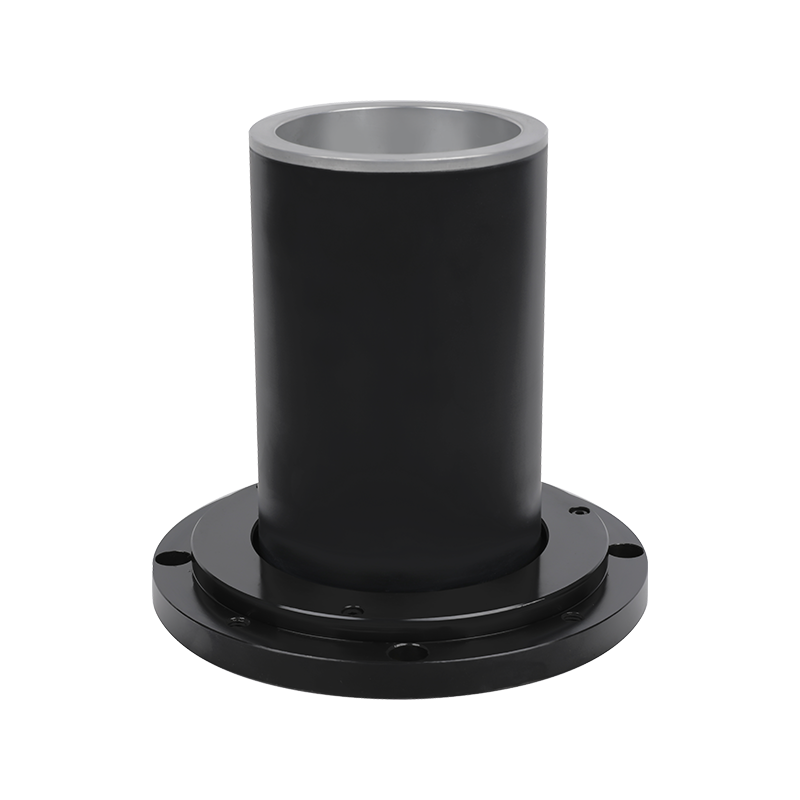
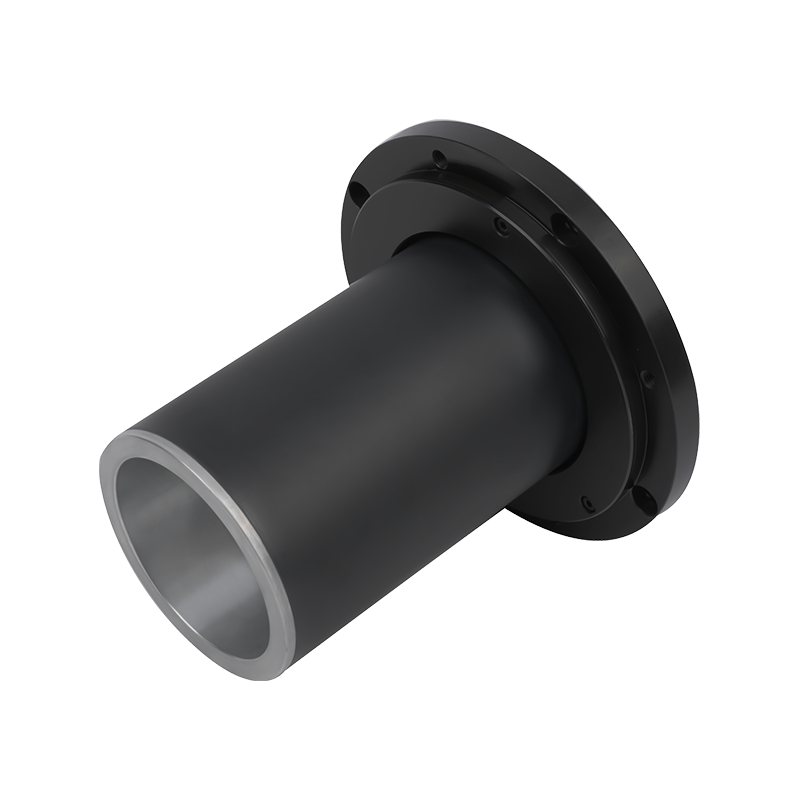
The Godet is a vital component for yarn guiding and operation control in the production of synthetic filament yarn such as POY, FDY and industrial yarn. Its primary function is to provide precise guidance for high-speed filament yarn, ensuring the yarn follows a predefined path with stability. By maintaining optimal contact with its surface, it achieves tension buffering and uniform distribution, effectively minimizing issues such as yarn jumping, fuzziness, wrapping and breakage.
While the godet does not directly participate in the active processing of the filament yarn, it significantly influences path stability, yarn evenness, and overall equipment efficiency, making it an indispensable fundamental guiding element in modern synthetic filament yarn machinery.
| Substrate | Precision-machined aluminum alloy |
| Surface Coating | Dense alumina ceramic coating via plasma spraying |
| Surface Finish | Uniform, high-temperature-resistant glazed surface, roughness per Barmag OEM standard |
| Ra Value | Precisely calibrated per filament type — wear resistance without fiber damage |
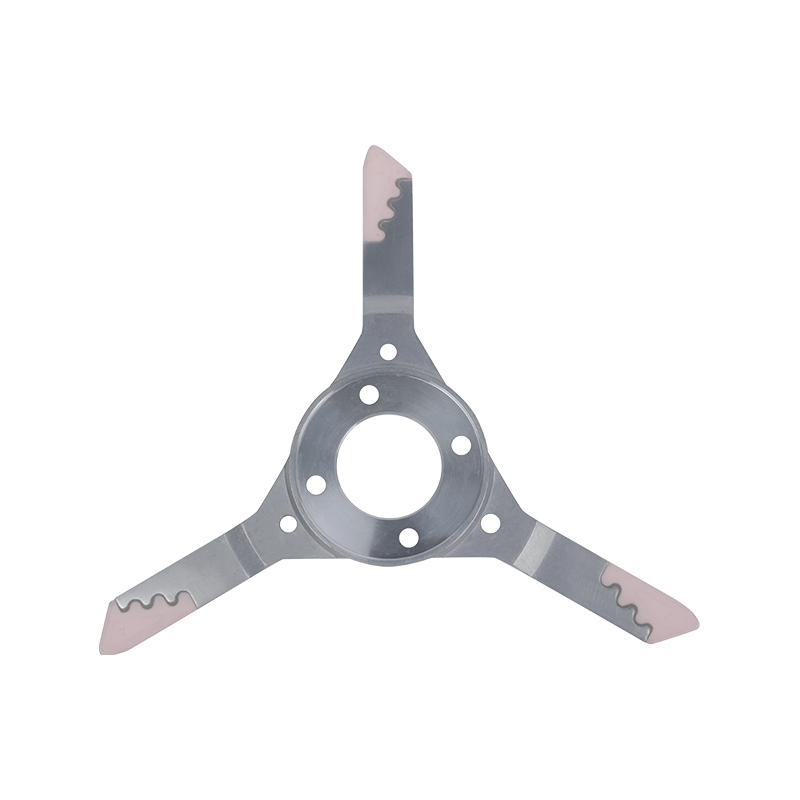
Barmag’s shift forks, which are produced by our company for Barmag in Germany, have passed...
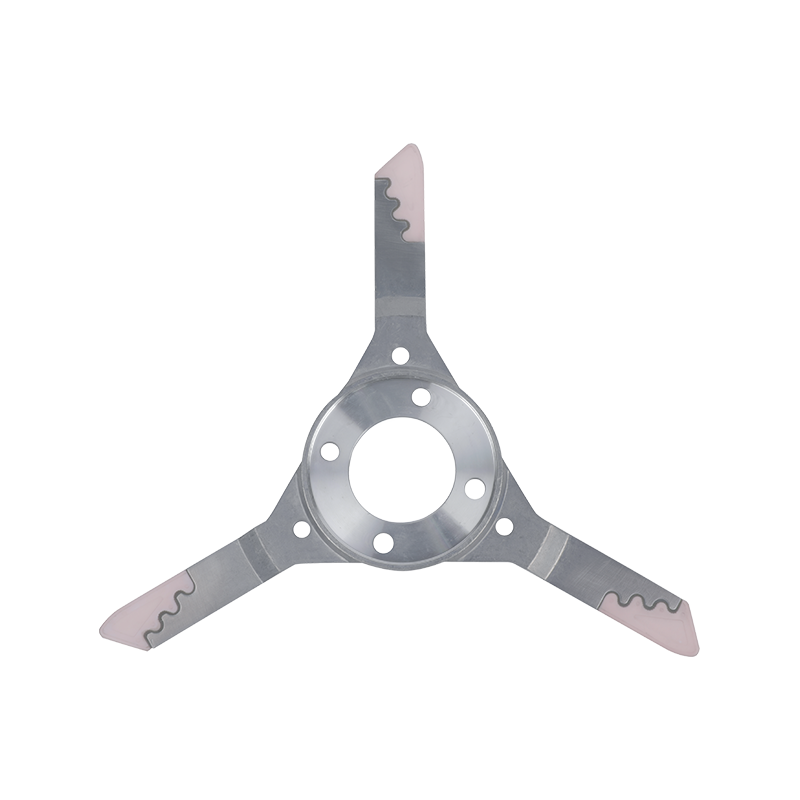
Barmag’s shift forks, which are produced by our company for Barmag in Germany, have passed...
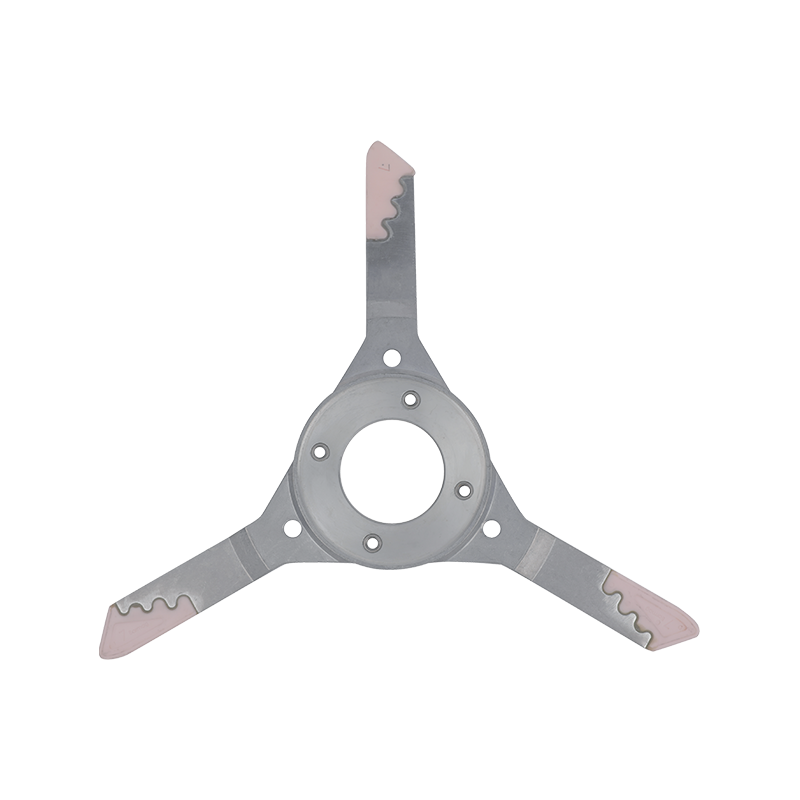
Barmag’s shift forks, which are produced by our company for Barmag in Germany, have passed...
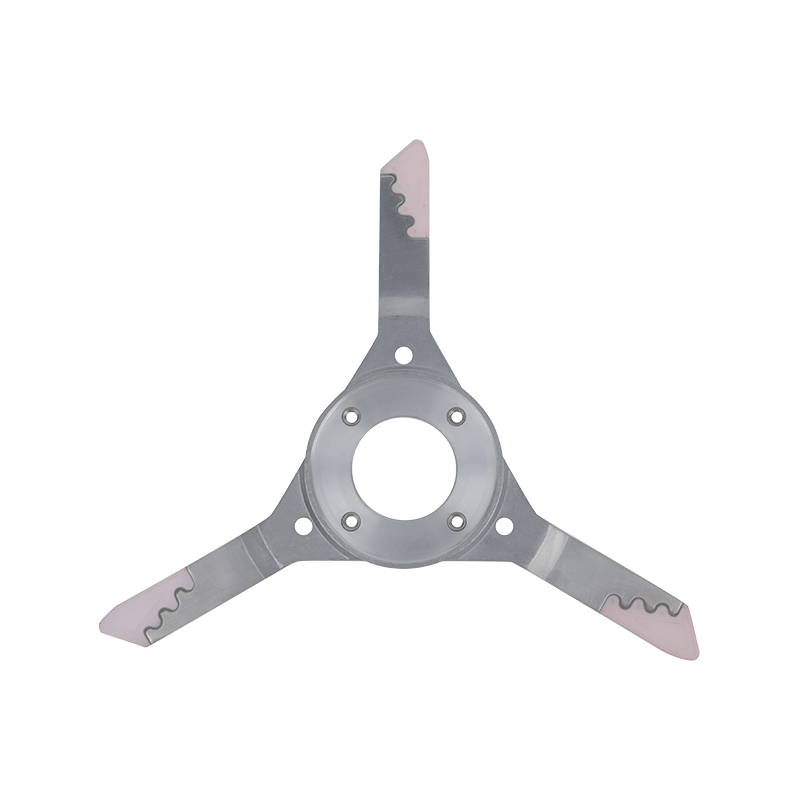
Barmag’s shift forks, which are produced by our company for Barmag in Germany, have passed...
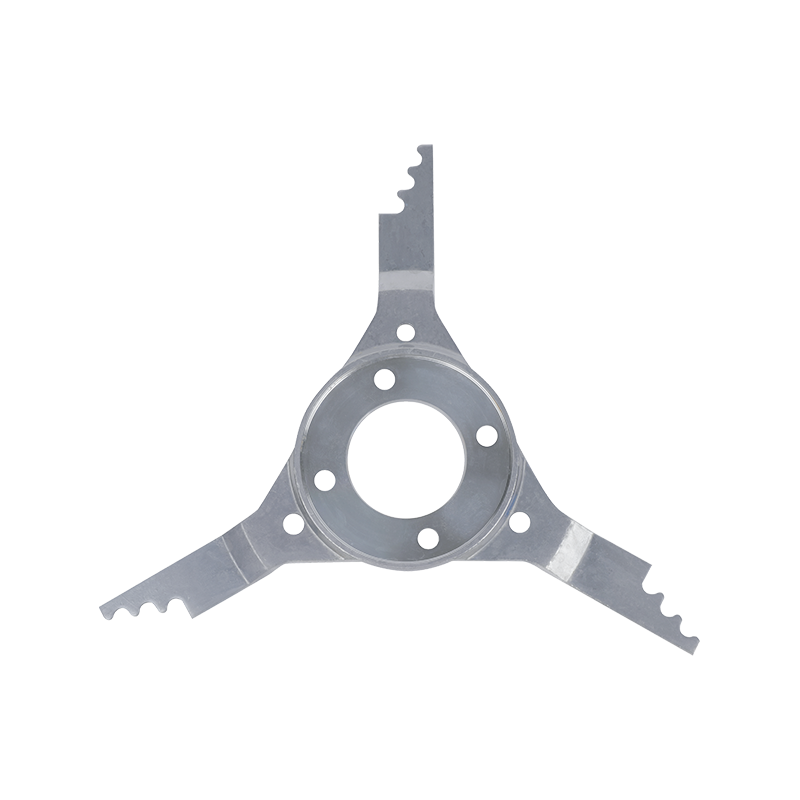
Barmag’s shift forks, which are produced by our company for Barmag in Germany, have passed...
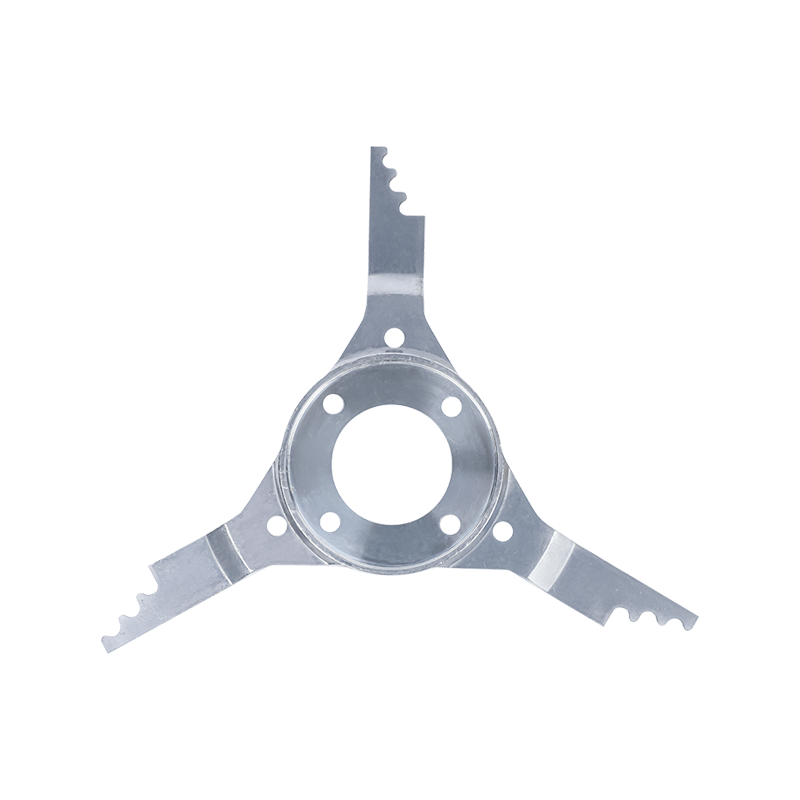
Barmag’s shift forks, which are produced by our company for Barmag in Germany, have passed...
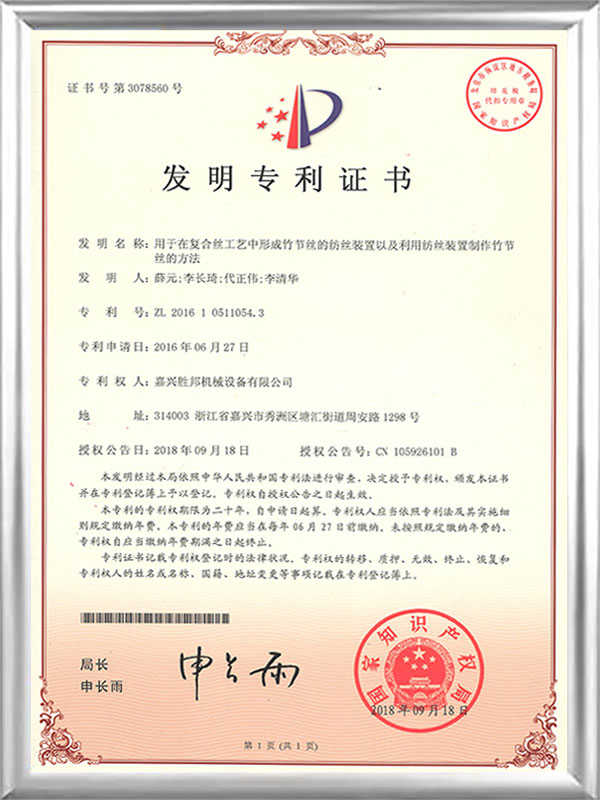
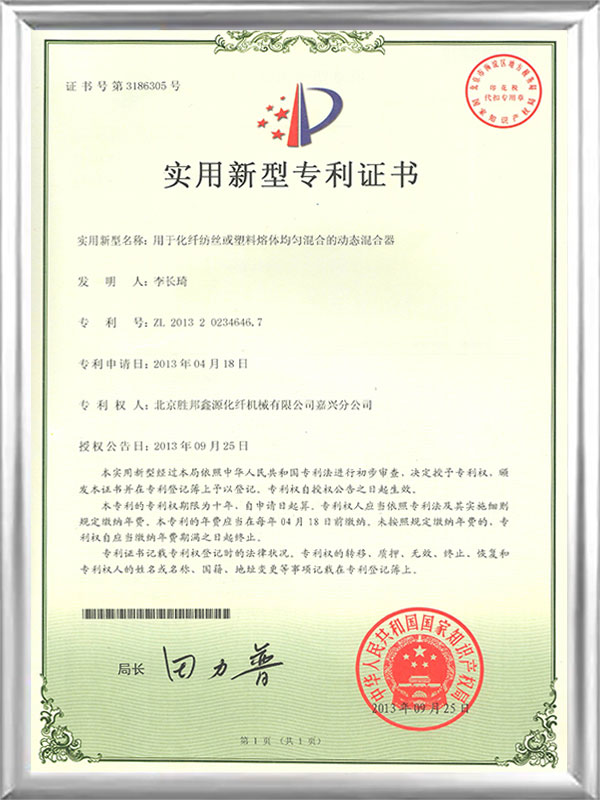
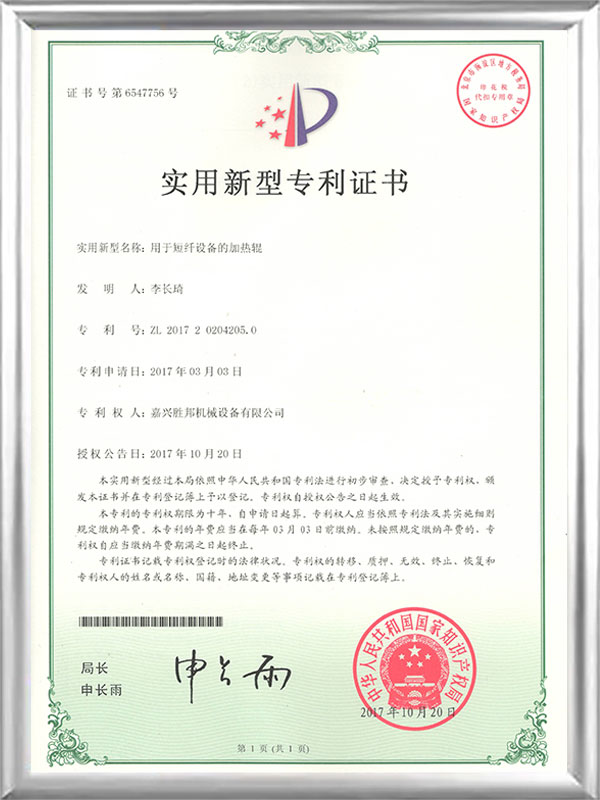
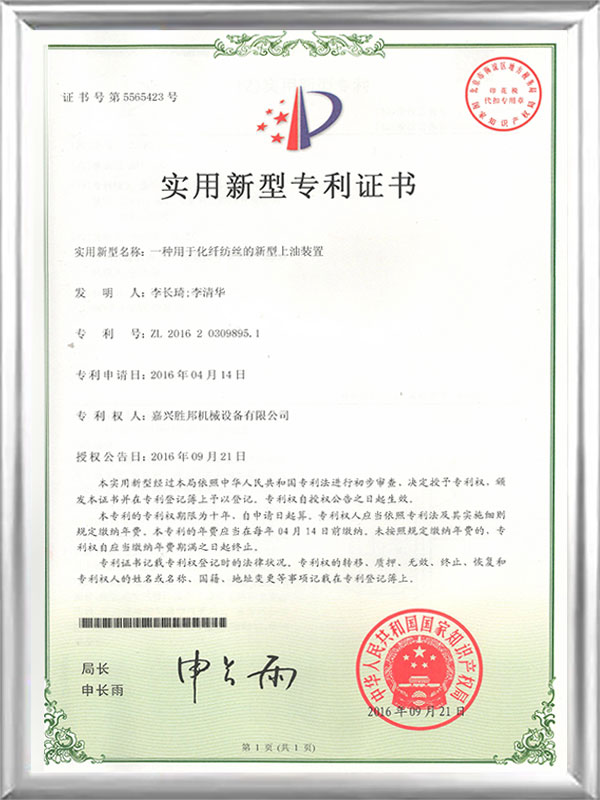
When a POY or FDY spinning line stops without warning, the root cause is rarely dramatic. More often, it is a worn bearing inside a contact roll, a shift fork ...
View MoreOn a chemical fiber spinning line, the godet shell is one of those components that only gets noticed when something goes wrong. It runs hot, it runs fast, and ...
View MoreA take-up winder is the last machine a filament meets before it becomes a package. Whether your line runs POY, FDY, HOY or heavy industrial yarn, the winder de...
View MoreEvery spool of filament yarn begins its life on a spinning production line. In the chemical fiber industry, this line is not a single machine but an integrated...
View MoreADDRESS: No.1298, Zhouan Road, Economic and Technological Development District, Jiaxing City, Zhejiang Province
PHONE: +86 19057031687
TEL: 86-0573-83777752
EMAIL: [email protected]
Jiaxing Shengbang Mechanical Equipment Co., Ltd. All Rights Reserved. Wholesale ITY Godet Suppliers
