English
 عربى
عربى русский
 简体中文
简体中文







2026-10-09

In the fast-evolving textile industry, second-hand spinning machines play an important role, providing an affordable and efficient way to meet growing production demands. However, maintaining these machines in optimal condition requires expertise and regular upkeep.
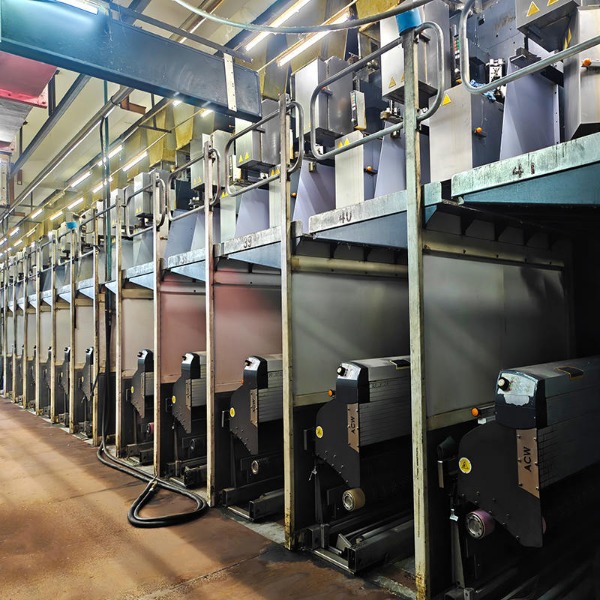
Second-hand spinning machines are widely used across the textile industry, especially for yarn production. They offer a cost-effective alternative to new machines while maintaining production quality. Second-hand equipment, however, requires special care to ensure reliable operation and to avoid costly breakdowns. The key to prolonging the life of these machines lies in proper maintenance procedures and timely repairs.
Second-hand spinning machines may have been in operation for several years before being resold, and as such, they may exhibit signs of wear. This can affect their performance, resulting in inefficiencies and downtime. Regular maintenance is necessary to:
Dirt and dust can accumulate on spinning machines, particularly in the spinning zones. Regular cleaning should be performed to prevent contaminants from affecting machine performance. Similarly, the lubrication system must be maintained, with regular oil checks and replacements, to ensure smooth operation.
Maintenance Tip: Use high-quality lubricants and follow the manufacturer’s recommendations for oil types and change intervals. Avoid mixing different types of oil to prevent performance issues.
Over time, components such as bearings, gears, and other moving parts wear down. It is important to inspect these parts regularly and replace any that show signs of wear. Neglecting this aspect can lead to machine breakdowns or damage to other parts of the system.
Maintenance Tip: Schedule periodic inspections to check for abnormal vibrations or noise, which may indicate worn parts. If any component is worn or damaged, replace it immediately to avoid further damage.
Correct calibration ensures that the spinning machine operates efficiently and produces consistent quality yarn. Misalignments in parts like rollers or tensioning mechanisms can affect yarn quality and productivity.
Maintenance Tip: Regularly calibrate the machine and check the alignment of key components such as the rollers and yarn guides. Misalignment should be addressed immediately to prevent long-term damage.
The electrical system of second-hand spinning machines may be more prone to faults due to age and wear. Regular checks of electrical wiring, motor connections, and control systems are essential to prevent electrical failures.
Maintenance Tip: Inspect all electrical components regularly for wear or exposed wires. Ensure that wiring is insulated properly to prevent shorts and other electrical hazards.
Vibration is a common sign of an underlying problem with spinning machines. Excessive vibration can indicate issues with motor bearings, gears, or alignment.
Maintenance Tip: Use vibration monitoring tools to detect any irregularities. Regular monitoring can help identify issues early and prevent them from leading to more serious damage.
Preventive maintenance is vital to avoid unexpected repairs. Scheduled servicing of critical parts such as the spinning head, yarn winder, and drafting system helps ensure continuous machine performance.
Maintenance Tip: Establish a maintenance schedule with detailed checks for each machine part. Adhere strictly to the schedule to minimize the risk of sudden breakdowns.
Despite regular maintenance, second-hand spinning machines can sometimes face common problems, including:
Below is a maintenance checklist to help keep second-hand spinning machines in top condition.
| Maintenance Task | Frequency | Description |
|---|---|---|
| Clean spinning machine components | Weekly | Remove dust, dirt, and lint from key components. |
| Check lubrication and oil levels | Monthly | Inspect lubrication system and replenish oil as needed. |
| Inspect machine alignment | Every 3 months | Check rollers, yarn guides, and tension systems for alignment. |
| Test electrical components | Every 6 months | Ensure wiring, controls, and motors are in proper working order. |
| Replace worn parts | As needed | Replace damaged or worn parts like bearings, gears, etc. |
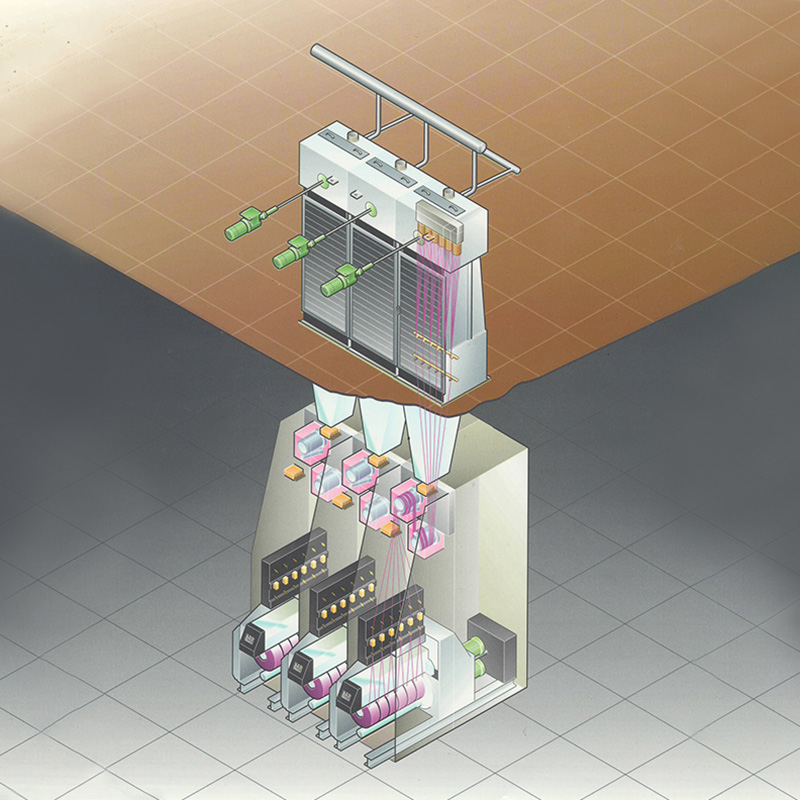
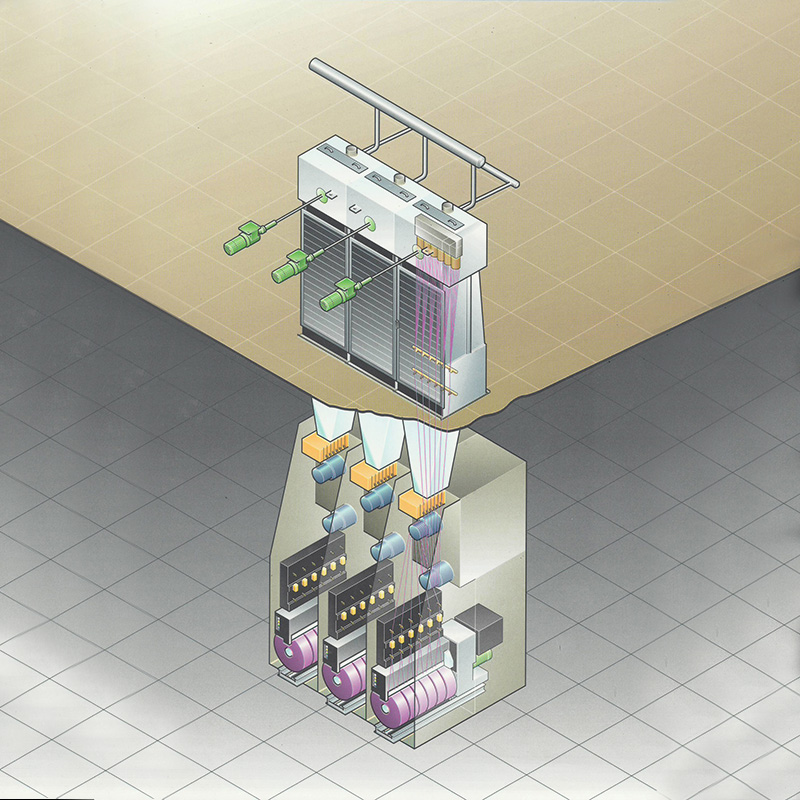
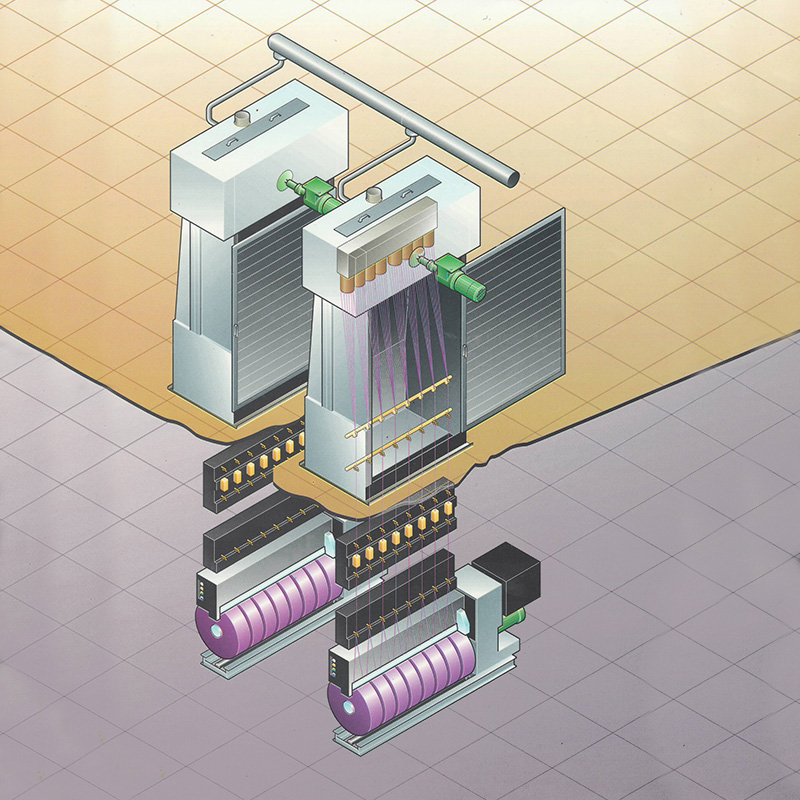
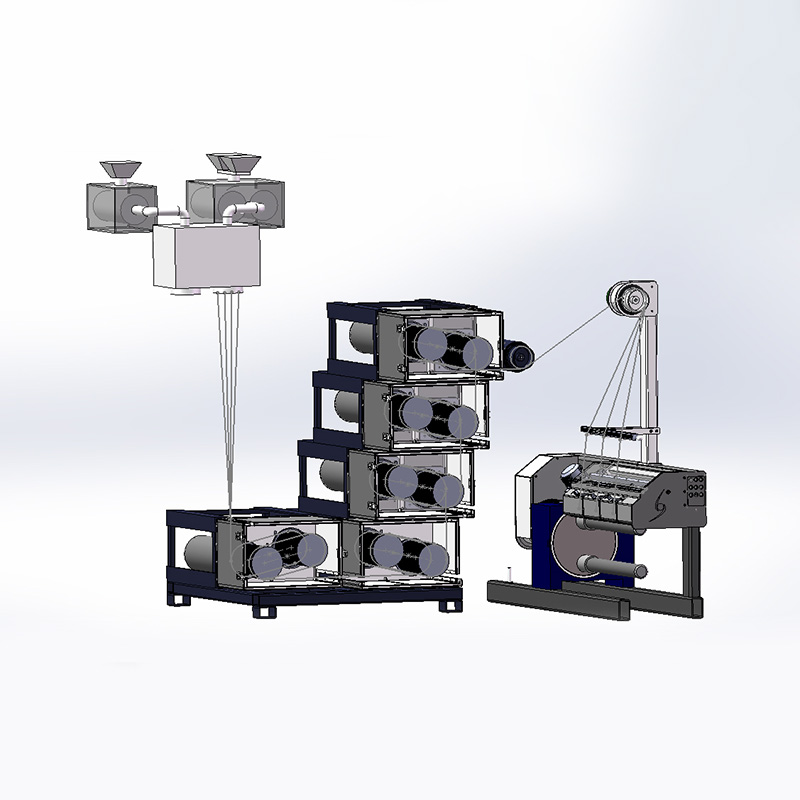
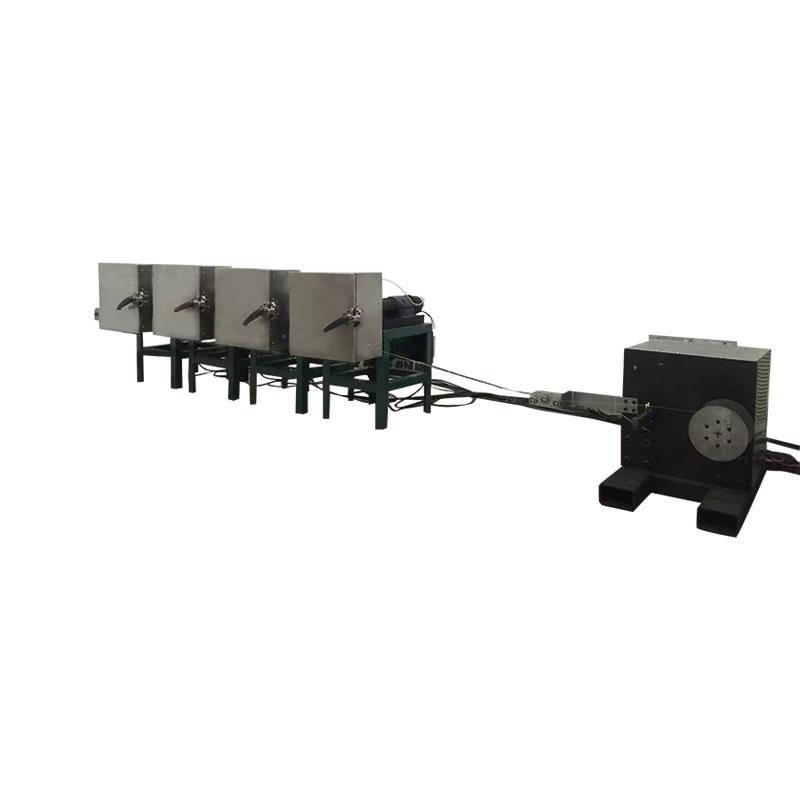
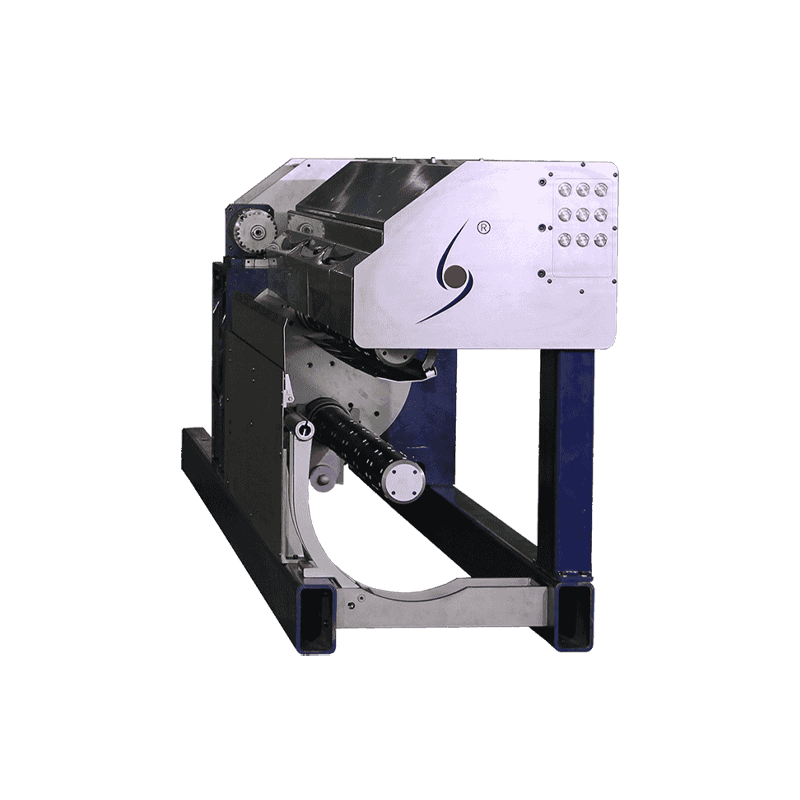
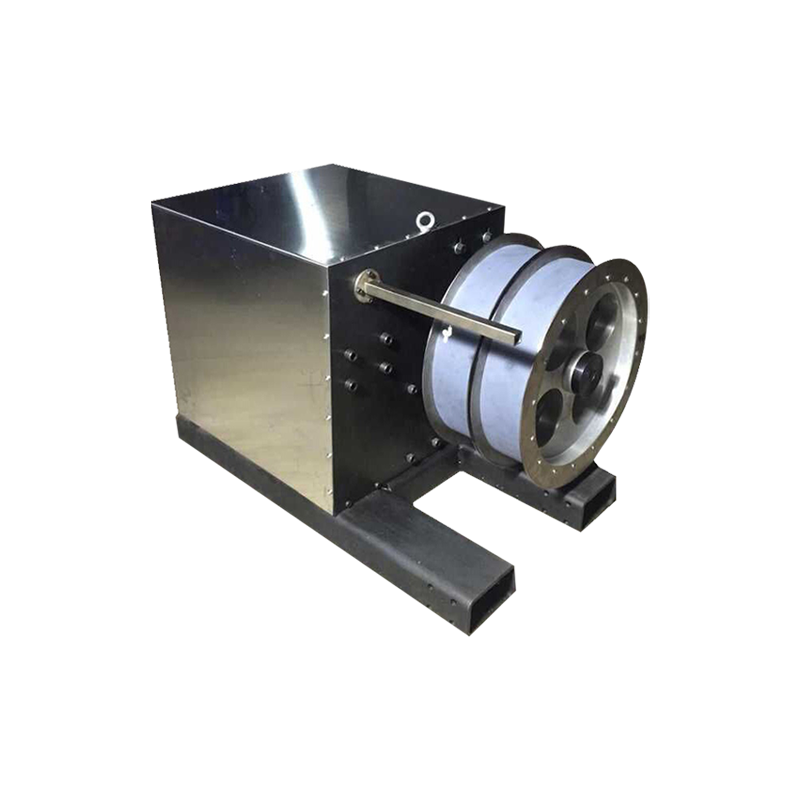
At Jiaxing Shengbang Mechanical Equipment Co., Ltd., we offer comprehensive services for second-hand spinning machines. Our services include reconditioning, maintenance, repair, and turnkey project construction. We ensure that second-hand equipment, such as used PP, PA, PET POY, FDY, and HOY spinning machines, operates as efficiently as new machines.
Our company specializes in the development, production, sales, and maintenance of key parts for spinning machines. We provide a full spectrum of services from feasibility studies to project implementation, ensuring seamless operation and performance of second-hand spinning machines.
By investing in regular maintenance, users can experience the following benefits:
Q1: How often should I perform maintenance on a second-hand spinning machine?
A1: Maintenance should be conducted according to a regular schedule, with key tasks performed weekly, monthly, and quarterly, depending on the machine’s usage and age.
Q2: What are some common signs that my second-hand spinning machine needs maintenance?
A2: Signs include unusual noise, excessive vibration, poor yarn quality, and inconsistent machine speed. These issues often indicate that parts need adjustment or replacement.
Q3: Can I repair second-hand spinning machines myself?
A3: While some basic maintenance tasks, like cleaning and lubrication, can be done by operators, complex repairs should be handled by professional technicians to ensure the proper functioning of the equipment.
Q4: How do I know when to replace a part on a second-hand spinning machine?
A4: If a part shows signs of wear, such as abnormal vibrations or visible damage, it should be replaced to prevent further damage to other components and avoid costly downtime.
Q5: What services do Jiaxing Shengbang Mechanical Equipment Co., Ltd. offer for second-hand spinning machines?
A5: We provide reconditioning, maintenance, and repair services for second-hand spinning machines, ensuring that they perform as well as new equipment. We also offer a range of second-hand machines for sale.

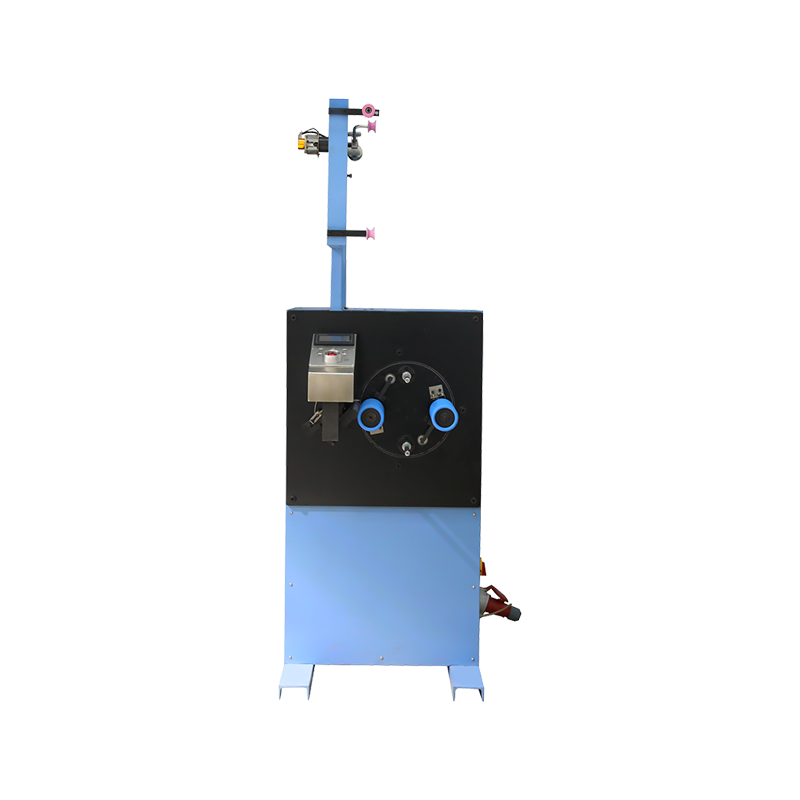
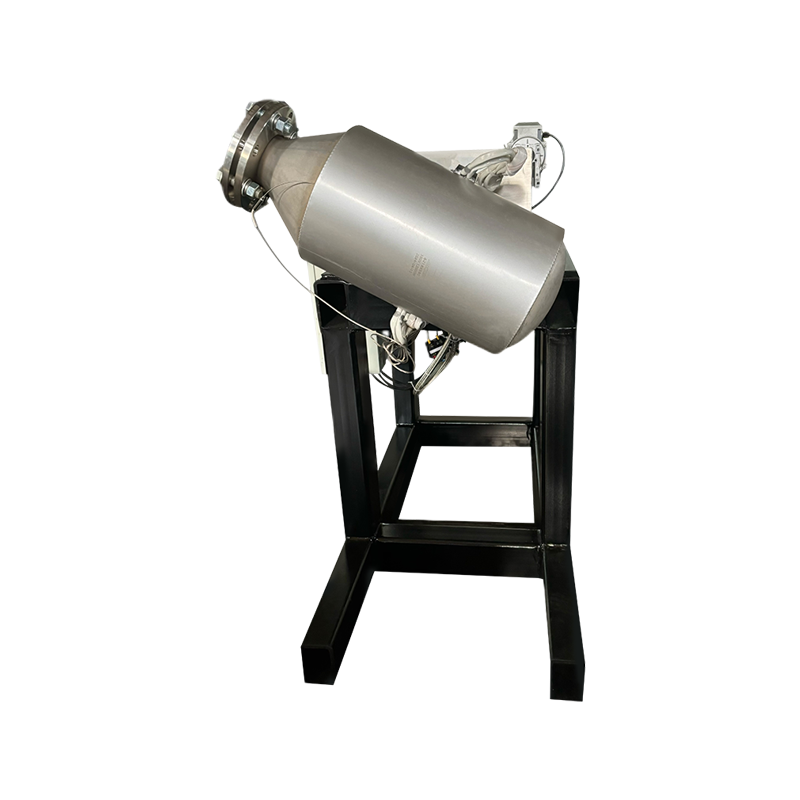
ADDRESS: No.1298, Zhouan Road, Economic and Technological Development District, Jiaxing City, Zhejiang Province
PHONE: +86 19057031687
TEL: 86-0573-83777752
EMAIL: [email protected]